FBA arbetar med internationella fredsinsatser och utvecklingssamarbete. Myndigheten bedriver utbildning, forskning och metodutveckling för att stödja freds- och statsbyggande i konflikt- och postkonfliktländer. Vi bidrar även med civil personal och expertis till freds- och valobservationsinsatser som leds av EU, FN och OSSE. Myndigheten har fått sitt namn efter Folke Bernadotte, FN:s första medlare.
Security for whom? Beyond the headlines from Hormuz
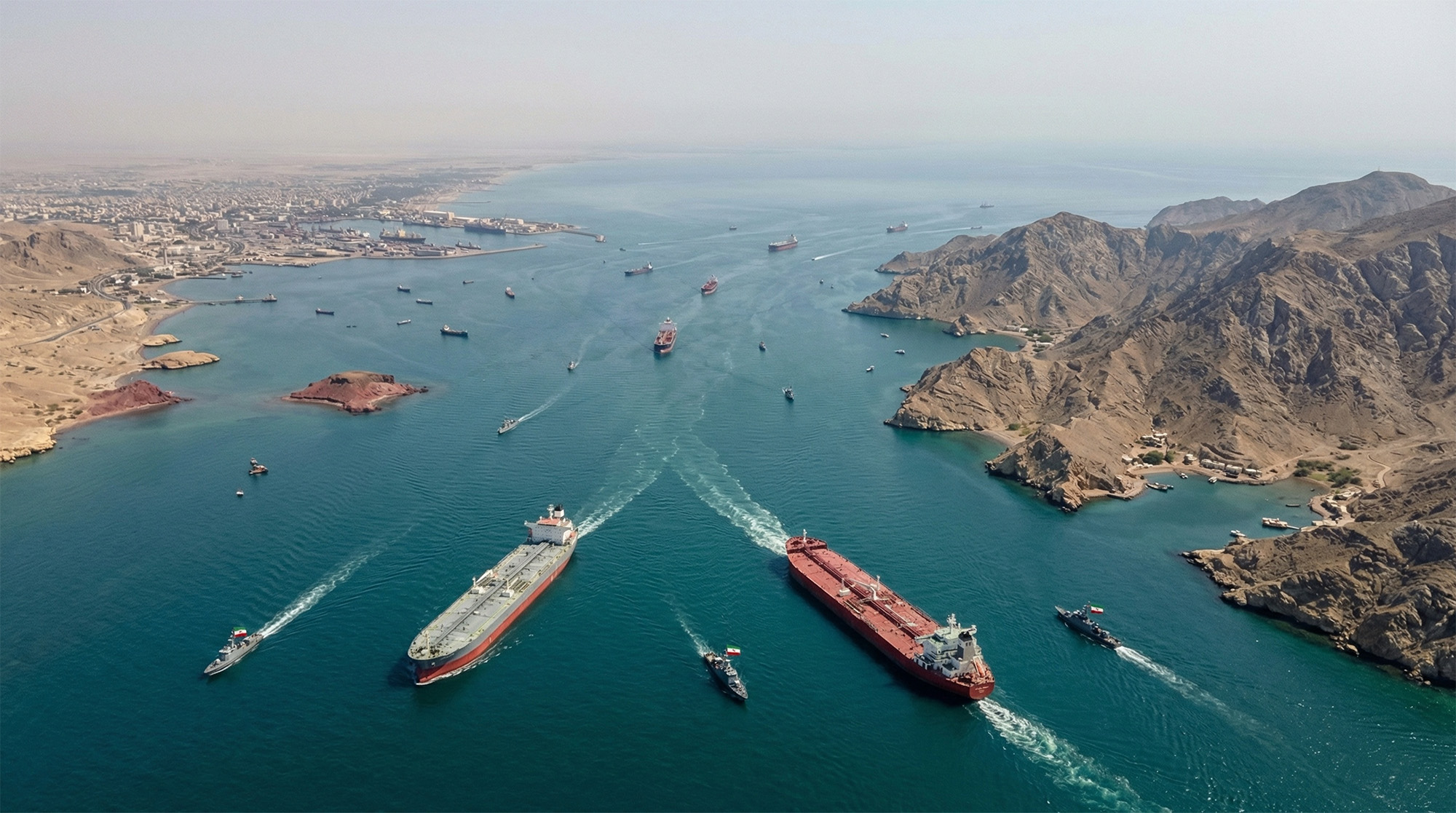
Recently, I saw the name Larak in the news. For most people, it is a small island in the Strait of Hormuz, now associated with a cycle of attacks and retaliation. For me, it is entirely something else.
Photo: Adobe Stock
When I was a child, my father worked for Iran’s national oil company and periodically travelled to Larak with then one of the biggest oil tankers. When he returned home, he often brought with him a round Quality Street confectionery tin. I remember the illustrations on the lid, scenes from another era, with people dressed as if they belonged in old photographs. But more than anything, I remember the smell when I opened it.
When my family moved to Sweden, one of those tins came with us. My mother used it as a sewing box for years. Whenever I wanted to feel close to Iran, I would open the lid. The scent remained in my memory even though the chocolates were long gone. For a child growing up far from the country where I was born, that tin became a small connection to home.
Nearly four decades have passed since then, the tin is long gone and the name Larak has come to represent something else.
The latest military escalation in the Strait of Hormuz is part of a pattern that has characterised relations between the Islamic Republic, Israel and the United States over the past year. Periods of military confrontation are followed by attempts at de-escalation. Diplomatic initiatives emerge, only to be overtaken by renewed tensions.
ending violence is not the same thing as building peace.
Watching these cycles of escalation and de-escalation, I am reminded of a lesson that often emerges in peace processes: ending violence is not the same thing as building peace.
The memorandum of understanding signed between the United States and the Islamic Republic represented an important pause in military confrontation. But as attention shifted towards regional stability, shipping routes, energy markets and the prevention of wider conflict, questions about accountability, rights and political participation within Iran faded further into the background.
Less attention was paid to a different question: who gets a say in what comes next?
The people most affected by conflict are often the least represented in conversations about the future. Peace processes cannot be reduced to agreements between states alone. Their legitimacy often depends on whether those most affected by conflict, including women and young people, have meaningful opportunities to influence the political processes that follow.
As I followed the discussions that came after the attacks, I kept returning to the same question: Security for whom?
For those living with the consequences of conflict, security is not primarily about military deterrence or regional power balances. It is about being able to provide for a family, feeling safe, accessing information, expressing an opinion without fear, and believing that tomorrow might offer more opportunities than today.
For many Iranians, these concerns did not begin with the latest attacks, or even with the conflict. They are rooted in decades of repression, economic hardship and repeated demands for change. Too often, those demands have been answered with arrests, violence and restrictions on fundamental freedoms rather than meaningful reforms. If anything, the war has had the opposite effect. It has contributed to a more securitised political environment, a stronger state, and less space for mobilisation and protest.
Yet the underlying pressures remain. Over the years, I have often thought of Iranian society as a volcano, because pressure does not disappear when attention moves elsewhere.
The attacks on Larak will eventually fade from the headlines. The deeper questions will not. Questions about whose security matters, who gets to participate in shaping the future, and why demands for accountability persist.
A volcano does not erupt only once. Pressure builds over time. And one day, it might erupt again.
av Saba Nowzari
Skrivet av Saba Nowzari
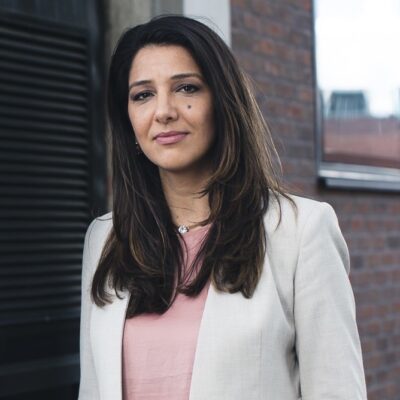
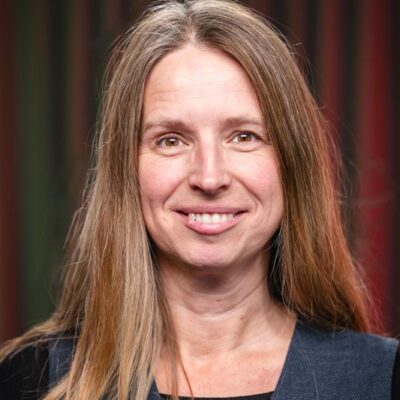
Saba Nowzari leads the Sustainable Peacebuilding Unit at the Folke Bernadotte Academy (FBA), overseeing work on conflict prevention and peacebuilding, with a focus on climate-related security risks, women’s participation in peace processes, youth inclusion, and leadership.
She has nearly 20 years of experience in peacebuilding and conflict prevention, spanning policy, programmes, mediation support, and organisational leadership. Her experience includes work in Syria, Yemen, Mali, Iraq, and Egypt, as well as across West Asia and Africa, in partnership with governments, international organisations, and civil society.
Irak ligger i ett av världens äldsta kulturområden, i det som en gång i tiden hette Mesopotamien. Tvåflodslandet, som det också kallades, ansågs utgöra civilisationens vagga. Det var här kilskriften utvecklades och den sumeriska kulturen blomstrade. Ni kanske har hört de otaliga berättelserna om Babylonien, eller om kung Hammurabis envälde? Ja, historierna är många och […]
Efter mer än två årtionden av militärt styre blev 1991 startpunkten för Malis övergång till demokrati då tusentals demonstranter samlades på gatorna för att kräva president Moussa Traorés avgång. Efter en militärkupp utförd av överstelöjtnant Amadou Toumani Touré etablerades snabbt en övergångsregering bestående av militära och civila ledare som överlämnade makten till en demokratiskt vald […]
Artisten Timbuktu är en av Sveriges främsta hiphopikoner. Det är sällan man kan stå helt stilla när hans låtar spelas i radio. Det som många kanske inte reflekterar över är att hans artistnamn härstammar från staden Timbuktu som ligger i Mali där hans fars släkt har sina rötter. Det var i alla fall så jag […]
Vi använder cookies för att förbättra din upplevelse av vår webbplats och våra partners använder cookies för personifiering av annonser. Genom att klicka "Acceptera alla" godkänner du att sidan använder cookies. Under "Inställningar" kan du välja vilka typer av cookies som du vill acceptera.
Läs vår cookie policy